In today’s fast-paced business, effective communication is key to an effective company. It is vital to ensure efficiency and commitment, whether employees are working remotely, on-site, or work in hybrid models. This is where business communication software plays a critical role. Companies that invest in internal communication software help to reduce workplace chaos and establish a culture that promotes cooperation, transparency and openness.
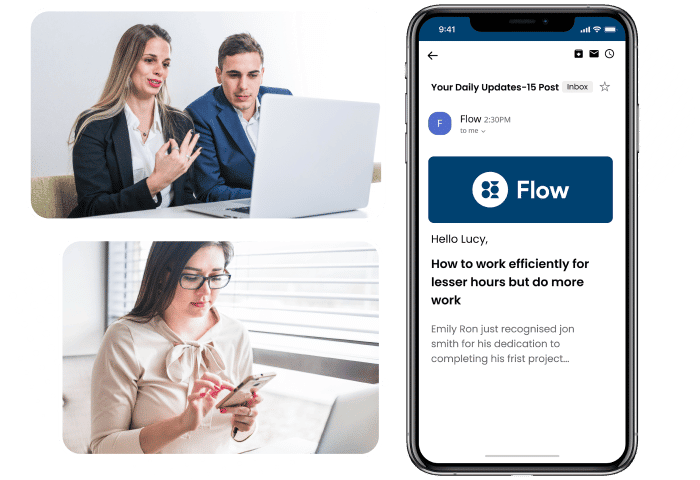
Image credit: hubengage.com
If your company is using old emails, disconnected chat applications, or fragmented channels for communication, it’s time to consider modern internal communication platforms. They can help you streamline conversations and connect your employees.
The reason why businesses require advanced internal Communication Tools
It’s been a long time since emails and bulletin boards were the most popular ways for employees to communicate. Instant messaging, real-time collaboration, and digital workspaces are the standard in business today. Companies that don’t have the proper tools to facilitate internal communication are at risk of ineffective communication, lower engagement and reduced productivity.
1. Motivating employees
In the modern workplace, there are a lot of issues, such as motivating and engaging employees. Internal communication software that is organized and well designed ensures all employees regardless of their location feel heard and included. Features like:
Real-time announcements.
Interactive feedback polls
Recognition programs for employees.
Mobile-friendly communications platforms.
In helping businesses create an environment of belonging for their employees will result in greater productivity and satisfaction at work.
2. Eliminating Workplace Misunderstanding and Enhancing clarity
When employees don’t receive clear communication, misunderstandings happen. This can lead to delayed deadlines or duplicate work. It also leads to frustration. Software for business communication provides:
Centralized information sharing Employees have access to documents, updates and other resources all in one location.
Task and project tracking tools Everyone is aware of their roles and what they are expected to do.
Clearer workflows: Eliminates blockages, and ensures projects are efficiently moved.
Businesses that have structured internal communication platforms find that employees are more productive and are more confident.
3. Transparency & Culture within the workplace
A solid corporate culture is based on trust and open communication. Employees who are informed about the company’s goals, developments and developments are more likely be engaged.
Modern tools for internal communications offer features such as:
Video messages for leadership Direct communication between the executives and employees.
Town halls for employees and Q&A meetings – promoting two-way communication.
Recognizing and appreciation programs – acknowledging employees for their dedication to work.
Through encouraging open and honest communication, companies can cut down on turnover and create a loyal workforce.
4. Supporting Remote & Hybrid Work Models
Traditional methods of communication no longer are sufficient as more and more enterprises are opting for remote or hybrid working. Teams require instant access to conversations as well as meetings, files and discussions regardless of which location they work from.
Cloud-based software for internal communication lets you:
The collaboration between time zones is seamless.
Document sharing made easy, and editing in real-time.
Integrate videoconferencing and virtual meetings.
Mobile-friendly apps that allow mobile communication.
Businesses that use internal communication tools specifically designed for remote team members experience more productivity and collaboration over those that rely on old-fashioned methods of communication.
5. Improvements to Crisis Management & Business Continuity
Emergencies are possible at any time, whether they’re security threats or a disruption to the market or a restructuring of your business. Employing a robust communications software for business ensures that your employees get information in real time, safety guidelines and instructions during an emergency.
Modern tools for internal communication offer:
Receive instant push notifications for important alerts
Automated workflows for messaging to help employees through crises
Centralized knowledge base, with emergency procedures
The ability to plan is crucial for avoiding disruptions and ensuring productivity.
Internal Communication Software: The Future
As technology advances, so do the expectations for the business communication software. AI-powered communication platforms provide businesses with an advantage through automation of repetitive tasks as well as analysis of employee engagement data and personalization methods for communication.
A few emerging trends include
AI chatbots give instant support for employees.
The analysis of workplace sentiments to gauge morale.
Dashboards with interactive analytics in real-time. of communication.
Businesses can boost productivity and teamwork by using intelligent software that is intuitive and smart.
Final Thoughts: Choosing the Best Internal Communication Platform
If your business is experiencing issues with communication and disengaged employees or unconnected workflows perhaps it’s time to revamp your internal communication tools. A good business communications software not only helps teams stay in touch, but it transforms your workplace into an in-between zone of transparency, collaboration and engagement.
Modern internal communication software is not an option anymore. It’s an absolute necessity for organizations that want to remain competitive, attract and retain their best talent and create a positive workplace culture.
What are the top platforms for internal communication within your company? Start by looking for solutions that include real-time messaging and mobile access. Also, think about centralizing sharing of information, collaboration with leadership, and leadership involvement.