For most homeowners, the thought of an oil tank replacement rarely crosses their minds until necessity knocks on their doors. The significance of this seemingly insignificant job is not to be underestimated. A residential oil tank is an integral component of the construction of any house. As property owners, we are accountable and must make sure that heating systems as well as oil storage containers work safely and efficiently. Ignoring the need for timely oil tank replacement can lead to financial and environmental consequences, which is why it’s essential to be aware and proactive.
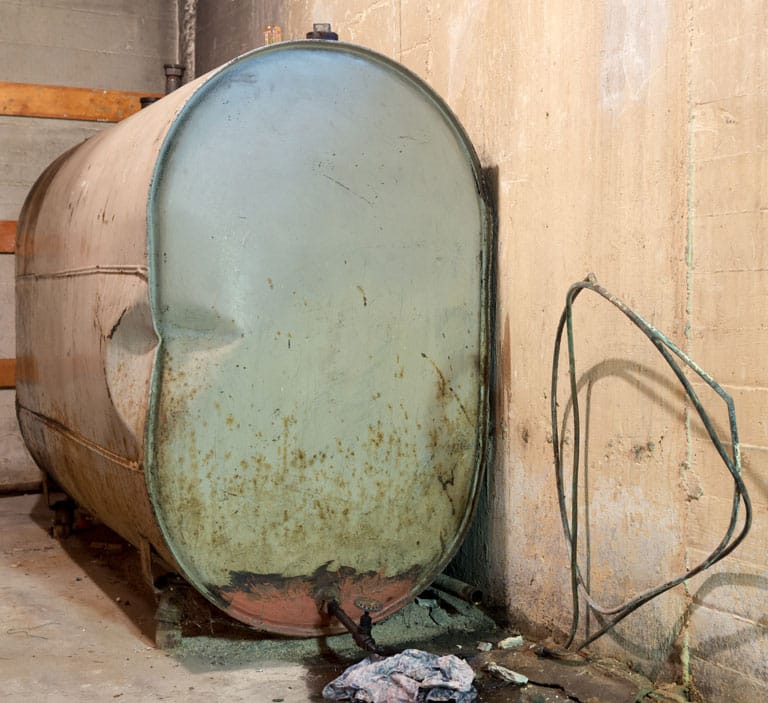
If we think about the effects of negligence, the necessity of replacing oil tanks is much more apparent. A leak of oil that’s small now could result in a huge environmental catastrophe or financial burden tomorrow. So, having the right information about oil tank systems and knowing when, or even prior to when it’s time to change your tank is vital. This article will cover the many aspects of replacing an oil tank, including the cost to replace an oil tank and its advantages. This will provide you with the information you need.
Recognize the importance of replacing oil tanks
The oil tank that is located in your basement or backyard may not be the most attractive part of your home However, it’s certainly one of the most vital. Serving as a reservoir for heating oil, this modest container is sure to ensure your living space is cozy and warm, particularly during the colder months. As with all components that is used for heating, oil tanks have a life-span that is limited. If you do not take care of their care, it could result in a myriad of problems.
A deteriorating oil storage tank can be compared to a ticking timer. Corrosion and wear and tear over the years can weaken the tank’s structure and lead to spills, leaks, or contamination. These events not only put at risk your home, but also harm the environment. Reduce the risk by replacing the tank that holds your oil. This will protect the environment and your family.
Estimating the cost of replacing the oil tank
Budgetary considerations play an important part in any home improvement venture, and oil tank replacement is no exception. Costs of replacing oil tanks can vary depending on several factors. This includes the dimensions of the tank, its location, and the difficulty in putting it up. It is important to view this task as a way to invest and not as a cost. While the initial cost may seem excessive, they’re not when compared to the financial implications of the leak.
Make an informed decision that’s in line with your goals and budget by getting accurate estimates from reputable firms. The cost of replacing an oil tank does not just cover the tank itself, but also the permit and labor required along with any soil remediation work that might be required. The safety of a correctly executed replacement oil tank is not only assured, but it provides long-term savings as well as peace of mind.
The environmental imperative: adopting the responsibility of replacing oil tanks with a responsible replacement
Your decision to upgrade the oil tank at your home has consequences that go beyond the boundaries of your own home. Tanks that age are more vulnerable to spills and leaks which may seep into soil and water sources and cause pollution as well as permanent ecological harm. Making a conscious decision to replace your oil tank is an intentional step towards minimising your carbon footprint while safeguarding the wellbeing of your community.
Modern tank service providers place an emphasis on environmental responsibility. Expert technicians employ techniques to ensure the safe removal and disposal of old tanks, while reducing the chance of contamination. Furthermore, many of the newer tanks have advanced technologies and materials that contribute to a better environment. The replacement of oil tanks is an ideal way to safeguard the natural resources of the future and help improve their overall well-being.
Benefits of changing your oil tank
An investment in a replacement for your oil tank is more than environmental and financial aspects – it directly impacts the security and comfort of your house. Tanks that are durable and new will ensure your heating system works well during the winter season. Additionally, it reduces the stress caused by potential leaks and decreases the chance of an unexpected emergency.
Furthermore, changing your oil tanks gives you the chance to look at the energy efficient options. Modern tanks usually have improved insulation as well as advanced technology that reduce heating and energy usage. Improve the efficiency of your oil tank to boost the efficiency of your home, and adopt the sustainable lifestyle.
Tank replacement for oil isn’t simply a routine maintenance project it’s a major investment in the safety, well-being, and sustainability of your home. As responsible homeowners, being up-to-date with the signs which indicate the need for replacement and knowing the costs associated with it is crucial. When you prioritize replacement of your oil tank, you contribute to the safety of your family, fewer cost of maintenance, and overall quality of your home. So, embrace the journey towards a more secure and environmentally conscious future – one replacement of your oil tank at a time.